Moscow
Russia’s capital and its largest student city — home to the country’s most prestigious universities.
Moscow is the political, economic and academic heart of Russia and hosts many of the country’s top-ranked universities, including Lomonosov Moscow State University, Bauman Moscow State Technical University and RUDN University. Students choose Moscow for its world-class faculties, extensive English-taught programs and unmatched career opportunities.
Beyond the classroom, Moscow offers a vibrant international student life: a vast metro network, museums, theatres, parks and a large community of students from all over the world.
Moscow is the capital and most populous city of the Russian Federation, with 12.2 million residents within the city limits and 16.8 million within the urban area. Moscow city has the status of a Russian federal city.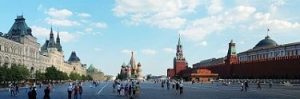 Moscow is a major political, economic, cultural, and scientific center of Russia and Eastern Europe, as well as the largest city entirely on the European continent. By broader definitions Moscow is among the world's largest cities, being the 14th largest metro area, the 18th largest agglomeration, the 15th largest urban area, and the 11th largest by population within city limits worldwide. According to Forbes 2013, Moscow has been ranked as the ninth most expensive city in the world by Mercer and has one of the world's largest urban economies, being ranked as an alpha global city according to the Globalization and World Cities Research Network, and is also one of the fastest growing tourist destinations in the world according to the MasterCard Global Destination Cities Index. Moscow is the northernmost and coldest megacity and metropolis on Earth. It is home to the Ostankino Tower, the tallest free standing structure in Europe; the Federation Tower, the tallest skyscraper in Europe; and the Moscow International Business Center. By its territorial expansion on July 1, 2012 southwest into the Moscow Oblast, the area of the capital more than doubled, going from 1,091 to 2,511 square kilometers (421 to 970 sq mi), and it gained an additional population of 233,000 people.
Architectur Of Moscow City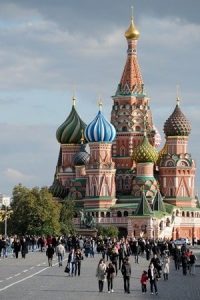
Moscow's architecture is world-renowned. Moscow is the site of Saint Basil’s Cathedral, with its elegant onion domes, as well as the Cathedral of Christ the Savior and the Seven Sisters. The first Kremlin was built in the middle of the 12th century.
Medieval Moscow's design was of concentric walls and intersecting radial thoroughfares. This layout, as well as Moscow's rivers, helped shape Moscow's design in subsequent centuries.
The Kremlin was rebuilt in the 15th century. Its towers and some of its churches were built by Italian architects, lending the city some of the aura of the renaissance. From the end of the 15th century, the city was embellished by masonry structures such as monasteries, palaces, walls, towers, and churches.
Economy In Moscow
Moscow has one of the largest municipal economies in Europe and it accounts for approximately 22% of Russian GDP.As of 2009, the GRP in Moscow reached 7.16 trillion roubles ($225 bln).[109]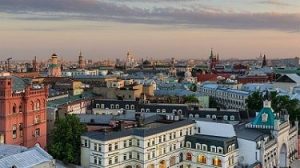 Moscow has the lowest unemployment rate of all federal subjects of Russia, standing at just 1% in 2010, compared to the national average of 7%. The average monthly wage in the city is 41,600 roubles (about 547 USD), which is almost twice the national average of 21,800 rubles (286.63 USD), and the fourth highest among the federal subjects of Russia.
Moscow is the financial center of Russia and home to the country's largest banks and many of its largest companies, such as natural gas giant Gazprom. Moscow accounts for 17% of retail sales in Russia and for 13% of all construction activity in the country. Since the 1998 Russian financial crisis, business sectors in Moscow have shown exponential rates of growth. Many new business centers and office buildings have been built in recent years, but Moscow still experiences shortages in office space. As a result, many former industrial and research facilities are being reconstructed to become suitable for office use. Overall, economic stability has improved in recent years; nonetheless, crime and corruption continue still hinder business development.
The Cherkizovskiy marketplace was the largest marketplace in Europe, with a daily turnover of about thirty million dollars and about ten thousand venders from different countries (including China, Turkey, Azerbaijan and India). It was administratively divided into twelve parts and covers a wide sector of the city. Since July 2009 it has been closed.
Moscow has the lowest unemployment rate of all federal subjects of Russia, standing at just 1% in 2010, compared to the national average of 7%. The average monthly wage in the city is 41,600 roubles (about 547 USD), which is almost twice the national average of 21,800 rubles (286.63 USD), and the fourth highest among the federal subjects of Russia.
Moscow is the financial center of Russia and home to the country's largest banks and many of its largest companies, such as natural gas giant Gazprom. Moscow accounts for 17% of retail sales in Russia and for 13% of all construction activity in the country. Since the 1998 Russian financial crisis, business sectors in Moscow have shown exponential rates of growth. Many new business centers and office buildings have been built in recent years, but Moscow still experiences shortages in office space. As a result, many former industrial and research facilities are being reconstructed to become suitable for office use. Overall, economic stability has improved in recent years; nonetheless, crime and corruption continue still hinder business development.
The Cherkizovskiy marketplace was the largest marketplace in Europe, with a daily turnover of about thirty million dollars and about ten thousand venders from different countries (including China, Turkey, Azerbaijan and India). It was administratively divided into twelve parts and covers a wide sector of the city. Since July 2009 it has been closed.
Transportation In Moscow
There are five primary commercial airports serving Moscow city:- Sheremetyevo International Airport(SVO)
- Domodedovo International Airport(DME)
- Vnukovo International Airport(VKO)
- Zhukovsky International Airport(ZIA)
- Ostafyevo International Airport(OSF)
- Belorussky Rail Terminal
- Kazansky Rail Terminal
- Kiyevsky Rail Terminal
- Kursky Rail Terminal
- Leningradsky Rail Terminal
- Paveletsky Rail Terminal
- Rizhsky Rail Terminal
- Savyolovsky Rail Terminal
- Yaroslavsky Rail Terminal
Moscow Metro Line
Local transport includes the Moscow Metro, a metro system famous for its art, murals, mosaics, and ornate chandeliers. When it first opened in 1935, the system had two lines. Today, the Moscow Metro comprises twelve lines, mostly underground with a total of 203 stations. The Metro is one of the deepest subway systems in the world; for instance the Park Pobedy station, completed in 2003, at 84 metres (276 ft) underground, has the longest escalators in Europe. The Moscow Metro is one of the world's busiest metro systems, serving about ten million passengers daily. (300,000,000 people every month) Facing serious transportation problems, Moscow has plans for expanding its Metro. In 2016 the authorities launched a new circle metro railway that contributed to solving transportation issues. And also Tram, Monorail, Bus, Trolleybus and Taxi. Moscow Climate Moscow city has a hemiboreal climate with long, cold (although average by Russian standards) winters usually lasting from mid-November through the end of March, and warm summers. Weather can fluctuate widely with temperatures ranging from −25 °C (−13 °F) in the city and −30 °C (−22 °F) in suburbs to above 5 °C (41 °F) in the winter, and from 10 to 35 °C (50 to 95 °F) in the summer. Typical high temperatures in the warm months of June, July and August are around a comfortable 20 to 26 °C (68 to 79 °F), but during heat waves (which can occur between May and September), daytime high temperatures often exceed 30 °C (86 °F), sometimes for a week or two at a time. In the winter, average temperatures normally drop to approximately −10 °C (14 °F), though almost every winter there are periods of warmth with day temperatures rising above 0 °C (32 °F), and periods of cooling with night temperatures falling below −30 °C (−22 °F). These periods usually last about a week or two. The highest temperature ever recorded was 38.2 °C (100.8 °F) at the VVC weather station and 39.0 °C (102.2 °F) in the center of Moscow and Domodedovo airport on July 29, 2010 during the unusual 2010 Northern Hemisphere summer heat waveMoscow City Trailer Video
Universities in Moscow
10 universities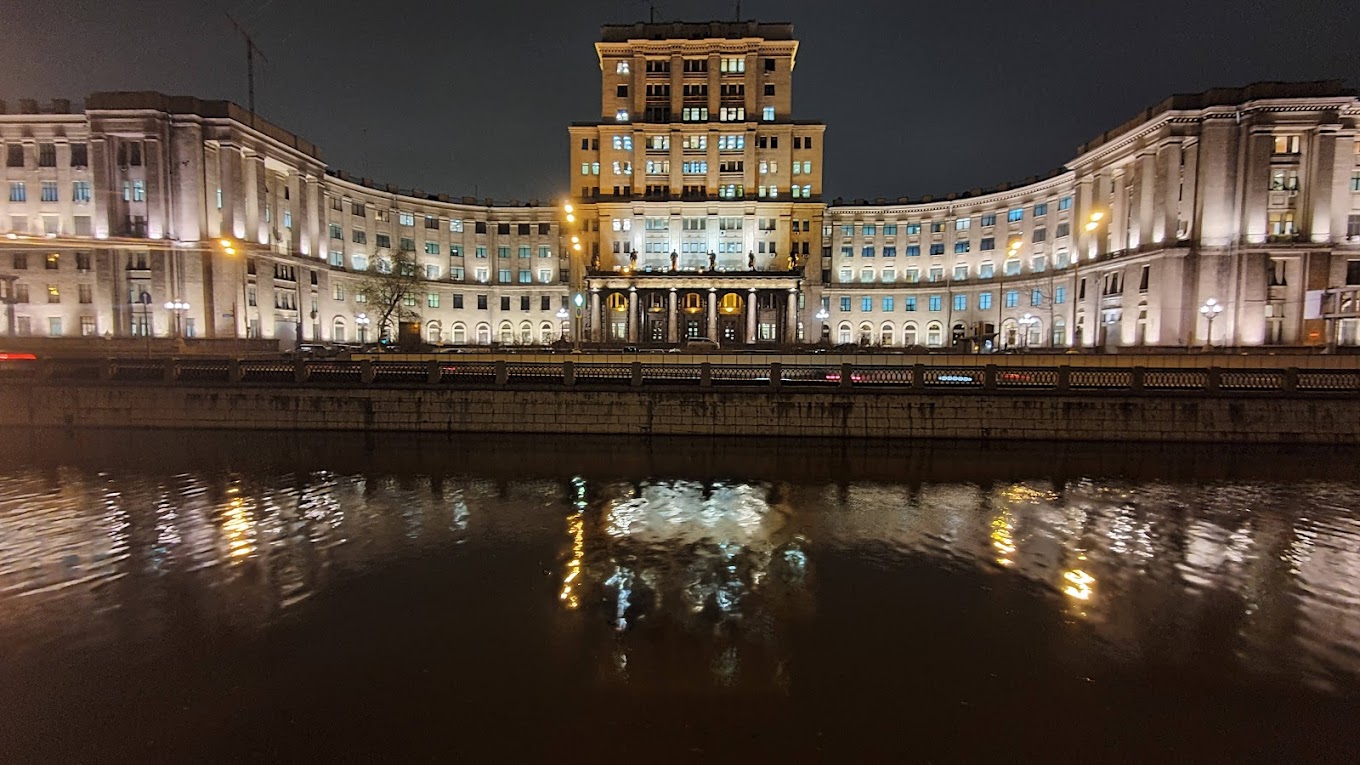
Bauman Moscow State Technical University
A guide to Bauman Moscow State Technical University in Moscow, Russia: programs, tuition fees, admission requirements and campus life.
View university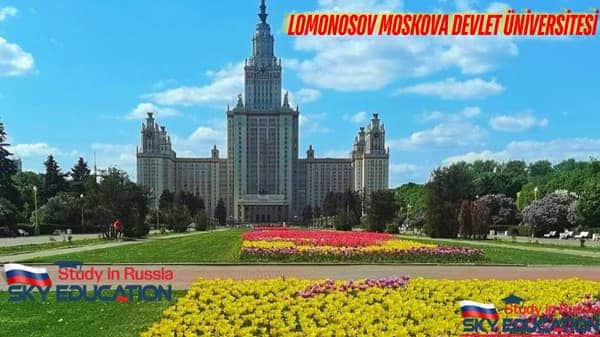
Lomonosov Moscow State University
A guide to Lomonosov Moscow State University in Moscow, Russia: programs, tuition fees, admission requirements and campus life.
View university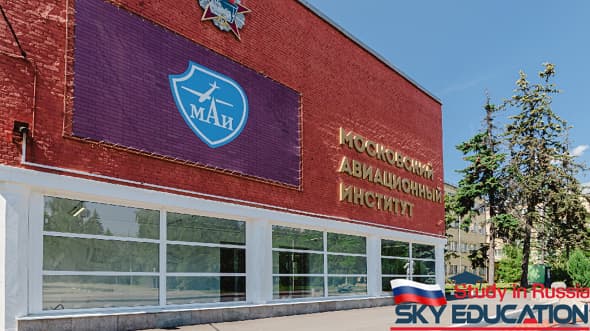
Moscow Aviation Institute (Moscow Aviation University)
A guide to Moscow Aviation Institute (Moscow Aviation University) in Moscow, Russia: programs, tuition fees, admission requirements and campus life.
View university
Moscow State Institute of International Relations(MGIMO)
Moscow State Institute of International Relations (MGIMO) The Moscow State Institute of International Relations (MGIMO) was established on October 14, 1944, by…
View university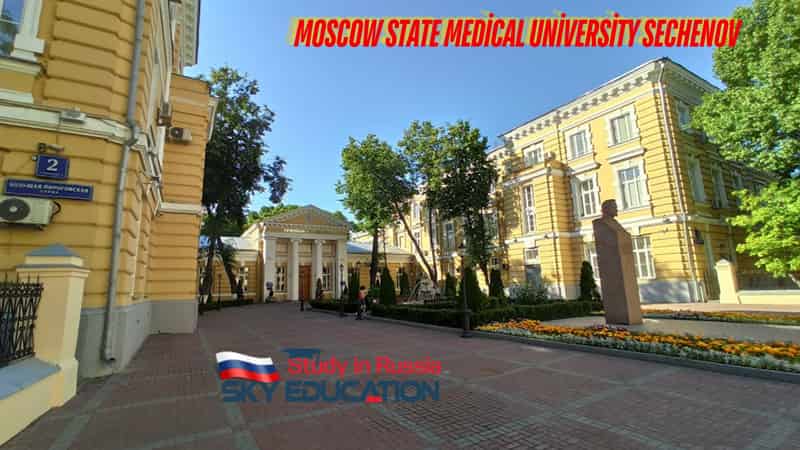
Moscow State Medical University Sechenov
A guide to Moscow State Medical University Sechenov in Moscow, Russia: programs, tuition fees, admission requirements and campus life.
View university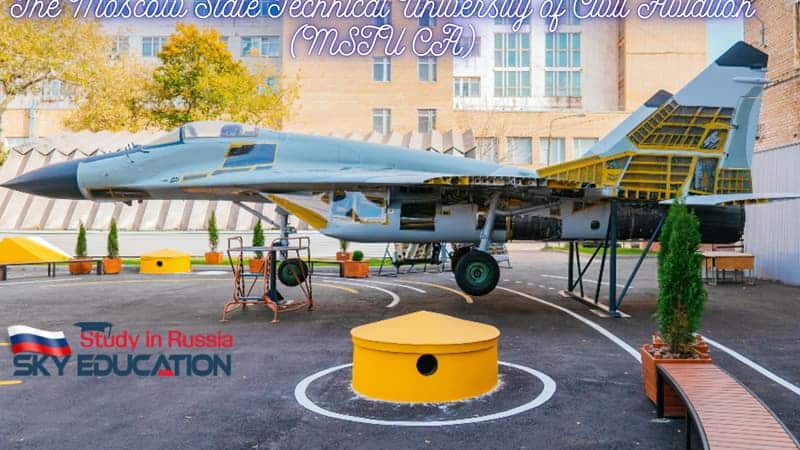
Moscow State Technical University Civil Aviation (MSTU CA)
A guide to Moscow State Technical University Civil Aviation (MSTU CA) in Moscow, Russia: programs, tuition fees, admission requirements and campus life.
View university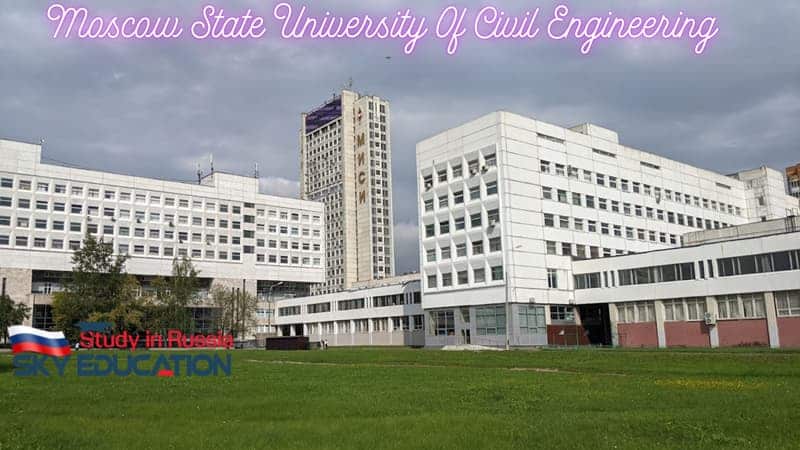
Moscow State University Of Civil Engineering
A guide to Moscow State University Of Civil Engineering in Moscow, Russia: programs, tuition fees, admission requirements and campus life.
View university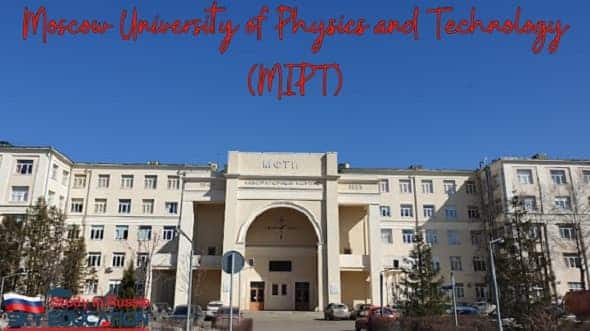
Moscow University of Physics and Technology
A guide to Moscow University of Physics and Technology in Moscow, Russia: programs, tuition fees, admission requirements and campus life.
View university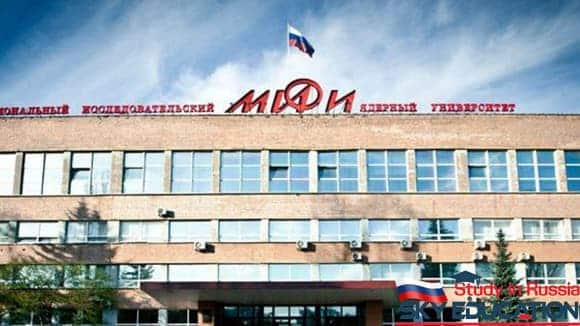
National University for Nuclear Research Moscow (MEPhI)
A guide to National University for Nuclear Research Moscow (MEPhI) in Moscow, Russia: programs, tuition fees, admission requirements and campus life.
View university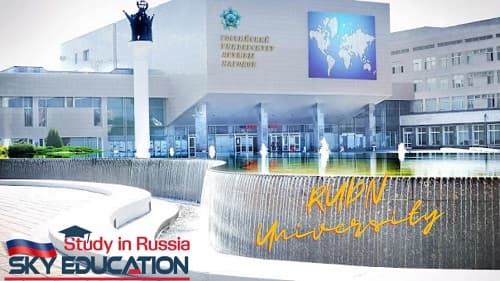
Peoples' Friendship University of Russia - RUDN University
A guide to Peoples' Friendship University of Russia - RUDN University in Moscow, Russia: programs, tuition fees, admission requirements and campus life.
View universityWant to study in Moscow?
Our advisors help you choose a university and handle the whole application — free of charge.
Get free guidance